
Financial Repercussions of Adverse Birth Outcomes
Birth injuries can strain hospital budgets in ways that are hard to untangle at first glance. Direct costs add up quickly: prolonged hospital stays, emergency surgeries, neonatal intensive care, and ongoing rehabilitation are just the start. At the same time, there are indirect expenses that quietly eat away at the bottom line:
- Extra staffing and overtime pay for complex cases
- Specialized equipment rentals or purchases
- Training for staff on post-incident protocols
For many hospitals, these issues can mean millions spent annually to address just a handful of severe complications.
Litigation and Settlement Expenses
When a birth goes wrong and families believe better care could have made a difference, lawsuits often follow. The reality is, malpractice claims related to obstetrics are notorious for resulting in large settlements and verdicts. Here’s how the costs stack up:
- Legal defense fees, which can climb even if claims are dismissed
- Settlement payouts, which may run into the millions for a single incident
- Insurance premium hikes, hitting hospitals every year claims are filed
Hospitals also face internal costs related to documentation and time spent by staff testifying or providing records.
Reputational Damage and Patient Trust
While it’s easy to focus on the numbers, birth injuries can also do harm that can’t be easily measured on a spreadsheet. Once news of a tragic incident gets out, trust gets shaken. The effects are real:
- Fewer expectant parents choosing the hospital
- Negative media and online reviews that linger
- Harder recruitment of top talent, as some professionals shy away from high-risk reputations
Hospitals realize that rebuilding public trust after a well-publicized birth injury takes years—sometimes, it never comes back at all. All these factors together fuel the push to find better ways to prevent avoidable harm, well beyond just paying for lawsuits or PR repairs.
Advancements In Fetal Monitoring Technology
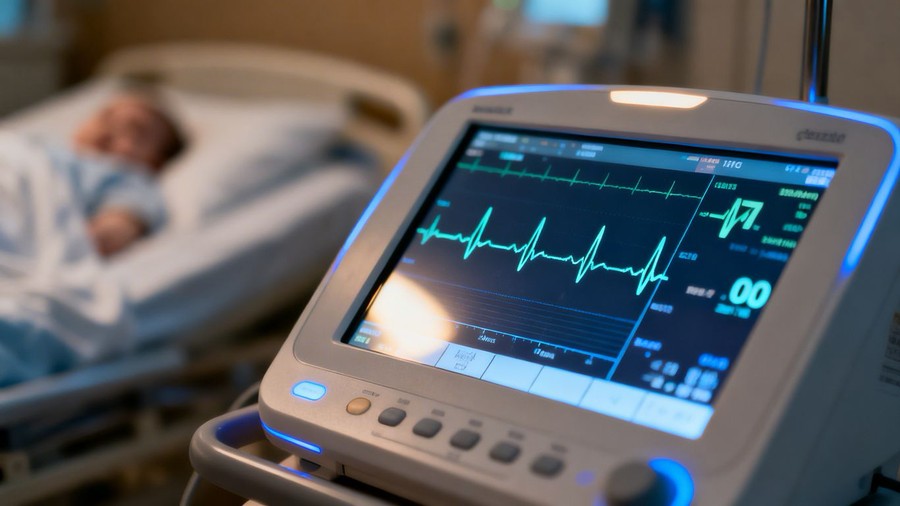
The way we keep an eye on expecting mothers and their babies during pregnancy and labor has really changed. Gone are the days of just basic checks; now, technology is stepping in to offer much more detailed and timely information. This shift is largely thanks to a few key areas of development.
Real-Time Data Acquisition and Analysis
Modern fetal monitoring systems are designed to collect information continuously and right as it happens. Think of it like having a constant stream of data, not just snapshots. This includes things like:
- Heart Rate Patterns: Sophisticated sensors can pick up the baby’s heart rate with great accuracy, looking for any signs of stress or distress.
- Uterine Contractions: Monitoring the frequency, duration, and intensity of contractions helps understand labor progress.
- Maternal Vital Signs: Keeping track of the mother’s blood pressure, oxygen levels, and other indicators is also part of the picture.
All this data is then processed quickly. Instead of waiting for a nurse to manually record and interpret it, systems can analyze it on the spot. This means any potential issues can be flagged much faster, allowing medical teams to react sooner.
Integration of Artificial Intelligence and Machine Learning
This is where things get really interesting. Artificial intelligence (AI) and machine learning (ML) are being used to make sense of all the data being collected. These technologies can spot patterns that might be too subtle for the human eye to catch.
- Predicting Fetal Distress: AI algorithms can learn from vast amounts of past patient data to identify early warning signs of fetal distress that might otherwise be missed.
- Reducing False Alarms: By analyzing complex patterns, AI can help distinguish between normal variations and genuine concerns, potentially reducing unnecessary interventions.
- Personalized Risk Assessment: ML models can help tailor risk assessments based on an individual mother’s history and the real-time data from her pregnancy.
The goal is to move from simply reacting to problems to proactively identifying and addressing them before they become serious.
Wearable and Non-Invasive Sensor Innovations
Another big change is how the monitoring is done. We’re seeing a move towards more comfortable and less intrusive methods. Instead of bulky equipment, many new devices are:
- Wearable: Think of flexible patches or bands that can be worn by the mother, sometimes even at home.
- Non-Invasive: These sensors often use advanced technology to gather data without needing to break the skin or cause discomfort.
- Wireless: This allows for greater freedom of movement for the mother and easier data transmission to monitoring systems.
These innovations not only make the monitoring process more patient-friendly but also open up possibilities for continuous monitoring outside of traditional hospital settings.
Mitigating Risk Through Proactive Monitoring
Early Detection of Fetal Distress
One of the primary ways hospitals are working to reduce adverse birth outcomes is by implementing more advanced fetal monitoring systems. These systems go beyond basic checks, offering a more detailed look at the baby’s well-being during labor. The goal is to catch signs of distress early, when interventions are most effective. Instead of relying solely on intermittent checks, modern technology provides continuous data streams. This allows clinicians to see subtle changes that might otherwise be missed, potentially preventing serious complications. For instance, sophisticated algorithms can analyze patterns in heart rate variability that are indicative of oxygen deprivation, prompting quicker responses.
Personalized Care Pathways
With the wealth of data now available from advanced fetal monitoring, care can become much more tailored to each individual pregnancy and labor. This means moving away from a one-size-fits-all approach. Based on the real-time information gathered, healthcare providers can adjust their strategies. This might involve:
- Modifying the mother’s position to improve blood flow.
- Adjusting the rate of labor-inducing medications.
- Deciding on the timing of interventions like assisted delivery or a Cesarean section.
This personalized approach helps ensure that interventions are only used when truly necessary, reducing potential risks associated with unnecessary procedures. It’s about using technology to inform better, more individualized clinical judgment, a key aspect of improving maternal care.
Enhanced Clinical Decision Support
New fetal monitoring technologies are not just about collecting data; they’re about making that data useful for the medical team. Many systems now incorporate decision support tools. These tools can flag concerning trends or provide alerts when specific parameters fall outside normal ranges. This acts as a safety net, assisting clinicians in making timely and informed decisions, especially in high-pressure situations. By integrating with electronic health records, these systems can also provide a more complete picture of the patient’s history, further aiding in risk assessment and management. This proactive stance is changing how hospitals approach birth safety.
The Economic Imperative Of Technological Investment
Investing in advanced fetal monitoring technology isn’t just about better patient care; it’s a smart financial move for hospitals. The costs associated with birth injuries can be staggering, leading to lengthy legal battles and substantial payouts. By adopting cutting-edge tools, healthcare providers can proactively identify potential issues before they escalate.
Reducing Malpractice Claims
When things go wrong during childbirth, the financial fallout for hospitals can be immense. Malpractice claims related to birth injuries are among the most expensive. These cases often involve extensive investigations, expert testimonies, and, if settled or lost, significant financial settlements that can run into millions of dollars. Advanced fetal monitoring systems provide a more detailed and continuous picture of fetal well-being. This data can be critical in defending against claims, showing that appropriate care was provided based on real-time information. The ability to demonstrate diligent monitoring and timely intervention can significantly reduce the likelihood of successful malpractice lawsuits. This proactive approach helps protect the hospital’s financial health and reputation.
Optimizing Resource Allocation
New technology can also help hospitals use their resources more effectively. For instance, sophisticated monitoring systems can help identify low-risk pregnancies that may not require constant, intensive oversight, freeing up staff and equipment for those who need it most. Conversely, high-risk cases can be flagged earlier, allowing for more targeted interventions and potentially shorter hospital stays. This leads to better patient flow and more efficient use of clinical staff. Think about how tools like the Pulsenmore Ultrasound system allow for more flexible monitoring, potentially reducing the need for frequent in-person visits for certain patients. This kind of smart allocation means better care where it’s needed and less waste.
Long-Term Financial Sustainability
Ultimately, investing in fetal monitoring technology is about building a more sustainable financial future for healthcare institutions. The upfront cost of these systems might seem high, but the long-term savings are considerable. Reducing the frequency and severity of birth injuries directly impacts insurance premiums, legal defense costs, and settlement payouts. Furthermore, hospitals known for adopting advanced safety measures tend to attract more patients and build stronger community trust. This can translate into increased patient volume and a stronger market position. It’s a shift from reacting to problems to preventing them, which is always a more cost-effective strategy in the long run.
Future Directions In Maternal-Fetal Surveillance
Predictive Analytics for High-Risk Pregnancies
The use of predictive analytics in maternal-fetal monitoring is changing how high-risk pregnancies are handled. By collecting thousands of data points from monitoring devices and electronic records, hospitals hope to spot warning signals before problems get serious. Doctors can use these insights to step in earlier, sometimes before symptoms even show up. This doesn’t just lower health risks; it can help families avoid stressful emergencies. The main benefits seen so far include:
- Catching risks earlier through pattern recognition
- More tailored check-ups based on risk calculations
- Reducing unplanned interventions by preparing early
Seamless Data Integration Across Care Settings
Maternity care often involves different providers, visits, and sometimes several clinics or hospitals. Centralizing all this data is tough, but it’s getting easier with new tech. For instance, now, wearable and non-invasive sensors can collect data at home and send it straight to the hospital, so nothing gets lost. Data from tools like mobile fetal monitors can connect across systems for smoother handoffs when patients transfer care. Integrated records mean fewer repeated tests, less frustration for families, and that any doctor involved has a fuller picture to work from. The trend is toward:
- Immediate data transfer from smart sensors to care teams
- Shared charts from pregnancy through delivery
- Fewer paperwork mix-ups and missing details
The Role of Telemedicine in Fetal Health
Telemedicine has been around for general doctor visits, but it’s now becoming common in obstetrics, too. Expectant parents can check in from home, saving time and avoiding unnecessary travel. What’s new is that remote visits can use tools like the DopFone mobile app, which turns a phone into a basic fetal heart monitor. That means doctors get real information—not just parent-reported symptoms—between appointments. This is helpful for monitoring those who live far from clinics or need extra support. Key parts of this telemedicine change include:
- Personal monitoring with smartphone-based sensors
- Real-time sharing of fetal heart data
- More frequent, convenient check-ins for families
These advances all point in the same direction: making pregnancy monitoring more immediate, connected, and personalized. The hope is that by using better tools and smart data, hospitals can spot trouble early and support healthier pregnancies, while keeping costs under control.
Explore Further